Key NYC ADU rules from DOB
- ADUs are accessory to one- and two-family homes, where zoning permits.
- Size: up to 800 sq ft.
- Number: one ADU per zoning lot.
- Owner occupancy: the home must be the owner's primary residence at initial occupancy.
- Flood risk: basement, cellar and backyard ADUs are not allowed in designated flood-risk areas.
- Filing: ADU applications go through DOB NOW (since September 30, 2025).
Eligibility has more conditions than this summary covers — confirm the complete, current criteria with DOB before you design.
Basement and cellar apartments
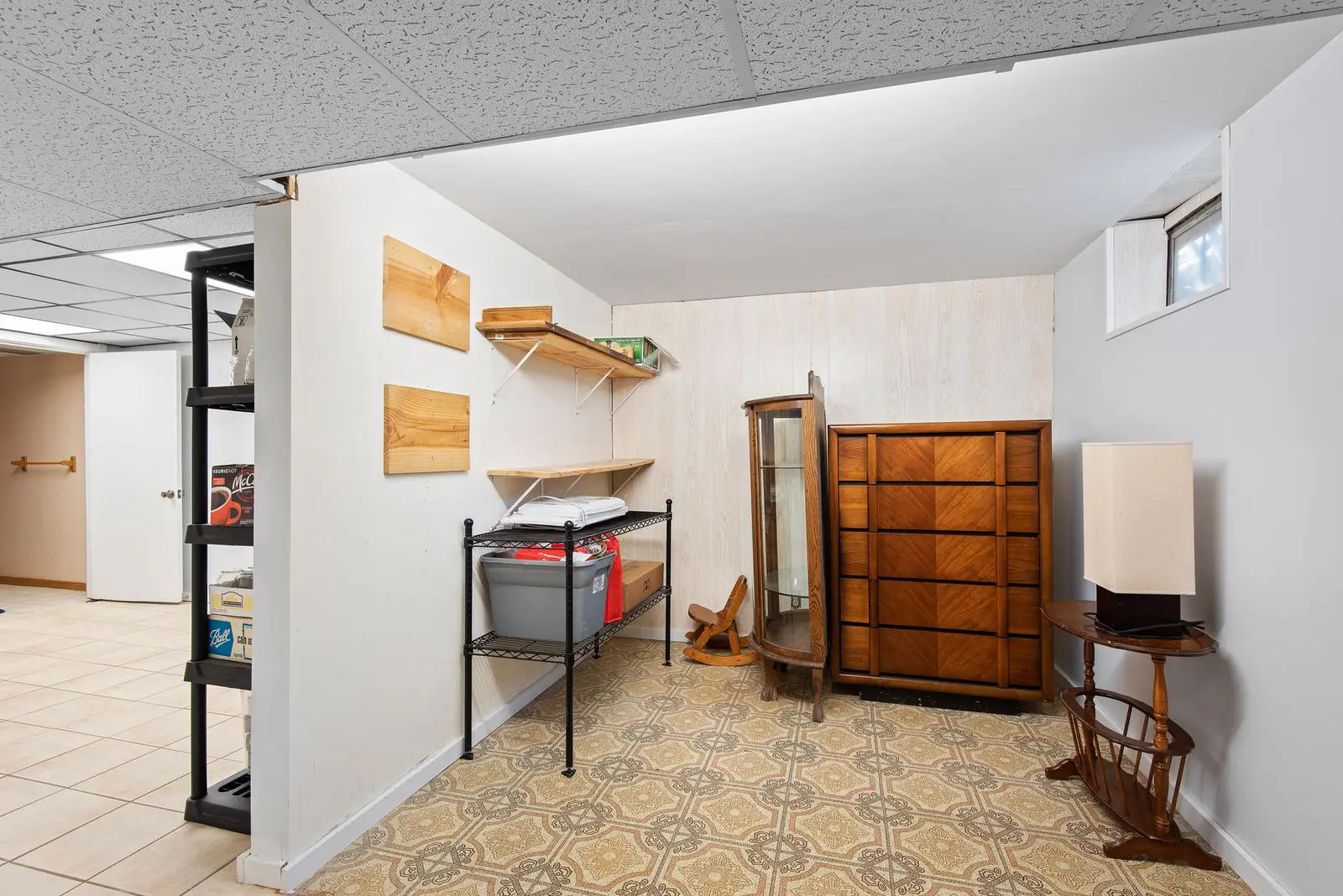
Turning a basement or cellar into legal living space raises the bar on ceiling height, light and ventilation, fire separation, egress windows or doors, and waterproofing. A Registered Design Professional must evaluate whether the space can meet code. Unpermitted basement apartments are dangerous — especially in flood-prone areas — and can be ordered vacated.
Planning the finish work? See our basement finishing guide and waterproofing guide.
Budgeting an NYC ADU
Costs depend on whether you are converting existing space or building new. Use our construction cost calculator and the home additions guide for per-square-foot ranges, and add design, filing and utility costs.
City assistance
HPD runs an "ADUs for You" initiative with resources for homeowners; check HPD's page for current program availability and eligibility.
This guide summarizes official rules for general information. It is not legal advice. Rules and fees change — confirm with the agency before you act.
Frequently asked questions
How big can an ADU be in NYC?
Up to 800 sq ft.
Can I build a basement apartment in a flood zone?
No — basement, cellar and backyard ADUs are barred in designated flood-risk areas.
Do I have to live on the property?
DOB's rules require the home to be the owner's primary residence at initial occupancy of the ADU.
How do I apply for an ADU?
A design professional files the application through DOB NOW, the system DOB uses for ADU filings since September 30, 2025.