The three main LPC permit types
| Permit | Used for | Hearing? |
|---|---|---|
| Certificate of No Effect (CNE) | Work that needs a DOB permit but does not affect protected architectural features — often interior work | No (staff level) |
| Permit for Minor Work (PMW) | Work that does not need a DOB permit but affects protected features — such as repointing, window replacement in kind, restoration | No (staff level) |
| Certificate of Appropriateness (CofA) | Major changes — additions, new construction, significant alterations to protected features | Yes, public hearing |
Roughly 95% of LPC permits are issued at staff level.
Common landmark projects
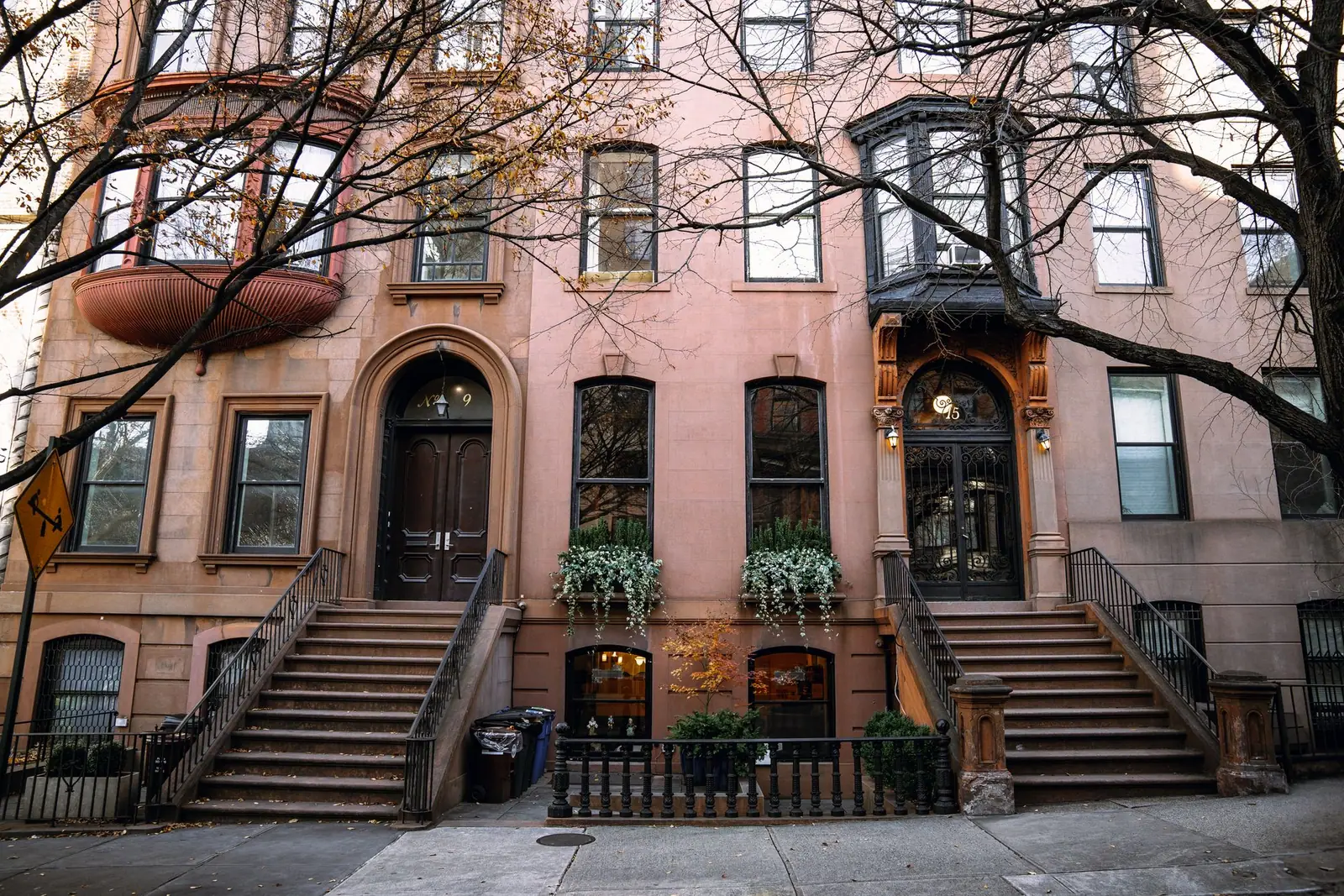
- Masonry and brownstone repair: repointing, patching and stoop work — see our masonry guide.
- Windows: replacements generally need to match historic configuration and materials — see window replacement.
- Rooftop and rear-yard additions: typically evaluated for visibility from the street.
- Storefronts, signage and areaways.
Advertisement
Ad space · Guide — in content · 336×280, 300×250, responsive
Tips for a smoother approval
- Confirm designation first using LPC's maps and property lookup.
- Gather historic photos (the city's tax photos are a common reference) and current photos.
- Specify materials and methods precisely — LPC staff evaluate details such as mortar and window profiles.
- Coordinate the LPC application with DOB filing so neither holds up the other.
This guide summarizes official rules for general information. It is not legal advice. Rules and fees change — confirm with the agency before you act.
Advertisement
Ad space · Guide — before FAQ · 336×280, 300×250, responsive
Frequently asked questions
How do I know if my building is landmarked?
Check LPC's online maps and designation reports, or ask LPC staff.
Do I need LPC approval to repoint my brownstone?
Repointing in a designated building generally needs LPC approval, often via a Permit for Minor Work, unless it falls within LPC's definition of ordinary repair. Confirm with LPC.
How long does an LPC permit take?
Staff-level permits are usually faster than Certificates of Appropriateness, which require a public hearing. Complete applications move faster.
More NYC guides
NYC DOB Building PermitsWhen you need a permit, who files, DOB NOW and asbestos rules.NYC Home Improvement Contractor LicenseDCWP requirements: exam, trust fund or bond, insurance and renewals.NYC Sidewalk ViolationsOwner responsibility, DOT violations and how repairs work.Local Law 11 (FISP) Façade InspectionsWhich buildings, inspection cycles, QEWI and SAFE / SWARMP / UNSAFE.NYC ADUs & Basement ApartmentsCity of Yes ADU rules: size, lots, flood zones and filing.Co-op & Condo Alteration AgreementsBoard approval, alteration agreements, insurance and work rules.