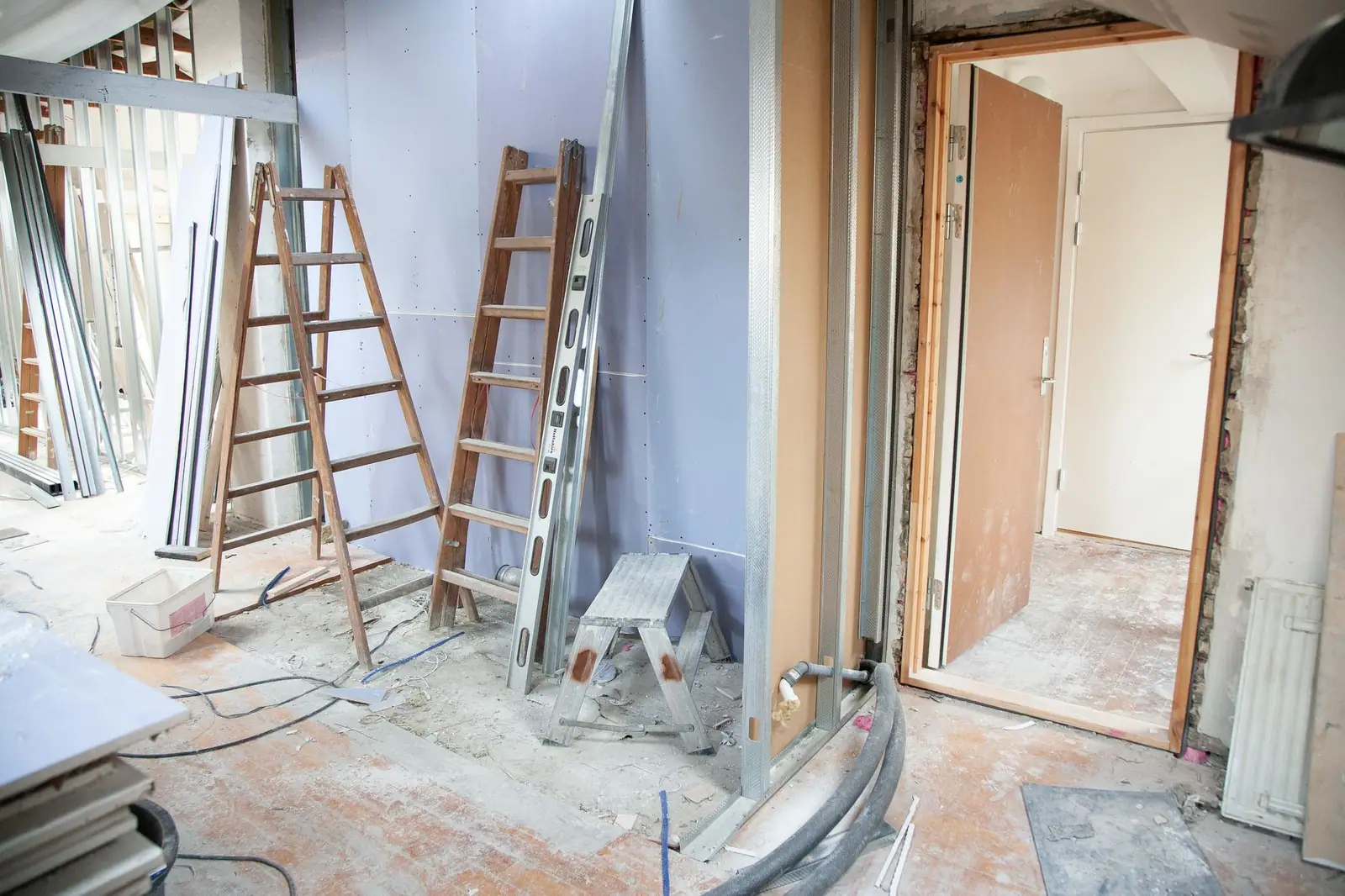
What a general contractor does
- Prices the work, hires and schedules subcontractors (plumbers, electricians, tile setters) and coordinates deliveries.
- Pulls or coordinates permits and inspections, often alongside your architect or engineer.
- Manages site safety, protection of finished areas and cleanup.
- Handles change orders and keeps the budget and schedule.
On small single-trade jobs you may hire a specialist directly; once three or more trades are involved, a GC usually saves time and coordination headaches.
Renovation scopes
- Cosmetic: paint, flooring, fixtures, lighting — no walls move.
- Partial: kitchen and/or bath remodels, some layout changes, updated electrical.
- Gut renovation: interior taken back to the structure, new systems throughout. Expect design, permits and the longest timelines.
Design professionals, permits and inspections
Work that changes structure, egress, plumbing or gas, or building use generally needs permits and drawings. In NYC, permitted alterations to 1–2 family homes require a Registered Design Professional (licensed architect or engineer) to file plans with the Department of Buildings before the GC begins; licensed electricians and plumbers file their own work.
Contracts, payment schedules and change orders
- Written contract: scope, drawings and specs, allowances, schedule, permits, insurance, warranty and cleanup.
- Payments tied to milestones rather than dates, with a modest deposit. Avoid paying far ahead of completed work.
- Change orders in writing with price and time impact before work proceeds.
- Lien protection: ask about lien waivers from subcontractors and suppliers.
Our hiring checklist walks through each step.
General contractor licensing by jurisdiction
New York has no statewide general contractor license. Licensing is local: NYC requires a DCWP Home Improvement Contractor license for residential work, and Nassau, Suffolk and other counties license home improvement contractors. Neighboring New Jersey, Connecticut and Pennsylvania use state registration, and California's CSLB requires a license for jobs of $1,000 or more. See permits and licensing by state.
General Contracting & Home Renovation costs in 2026
Whole-house renovation ranges vary enormously with scope and finish level.
| Item | Typical range |
|---|---|
| Home renovation per sq ft | $15 (basic) – $60 (mid) – $150 (premium) |
| Most homeowners spend | $19,500–$88,400 |
| Kitchen / bathroom components | $14,550–$40,400 / $6,600–$28,000 |
Typical national ranges. New York City and other high-cost metros often run above them — get several written bids for your project.
Calculators for this project
New York rules and permits
NYC. Hire a contractor with an active DCWP Home Improvement Contractor license — DCWP's checklist requires a qualifying exam, a trust fund or surety bond, workers' compensation and EPA lead certification or affirmation. Permitted work requires DOB filings by a design professional; older buildings may need an asbestos investigation before permits are issued. Co-op and condo boards add their own alteration agreements. Start at our New York City guides hub.
Frequently asked questions
What does a general contractor do?
Plans and manages the construction: hires and schedules trades, orders materials, coordinates permits and inspections, and is responsible for delivering the agreed scope.
How much does it cost to remodel a house?
Industry estimates give $15–$150 per sq ft depending on scope, with most homeowners spending $19,500–$88,400 (March 2026). Try our construction cost calculator.
Do contractors need a license in New York?
There is no statewide GC license; licensing is local — NYC DCWP and several counties license home improvement contractors.
How much deposit should I pay a contractor?
Keep deposits modest and tie payments to completed milestones. Check any limits set by your local consumer-protection rules.