Insulation types and installation
| Type | Best for | Notes |
|---|---|---|
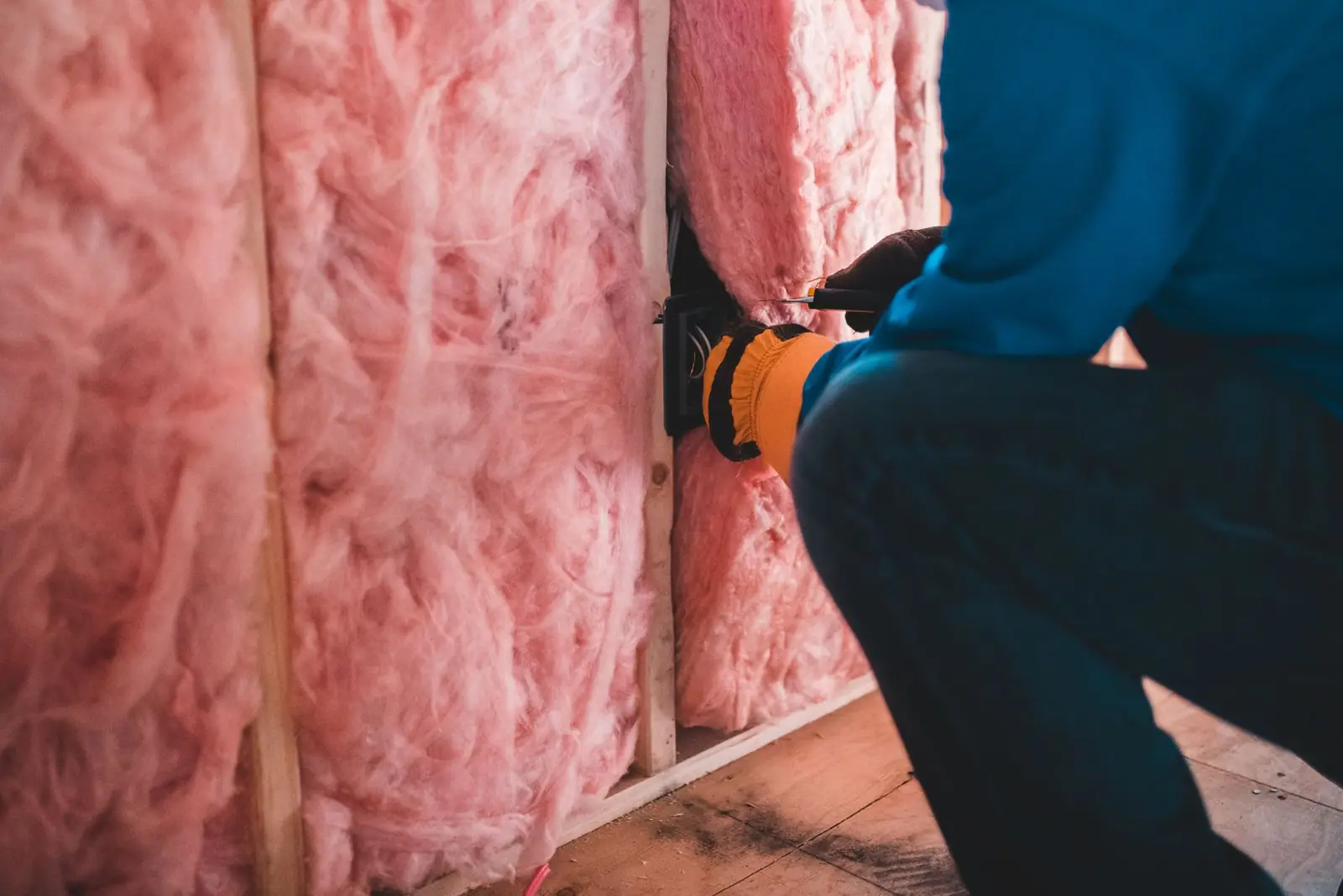
| Fiberglass / mineral wool batts | Open walls, floors, attics | DIY-friendly; must fill cavities without gaps or compression |
| Blown-in (cellulose, fiberglass) | Attic floors, closed walls (dense-pack) | Fills irregular spaces; machine-installed |
| Spray foam (open/closed cell) | Rim joists, roof decks, hard-to-seal areas | Insulates and air seals; closed-cell adds a vapor retarder; professional install |
| Rigid foam board | Basement walls, exterior continuous insulation | Moisture-tolerant; seams must be sealed |
Required R-values by climate zone
R-value requirements depend on your climate zone and the energy code edition your state or city enforces. New York spans IECC climate zones 4A, 5A and 6A, and New York State adopted the 2025 Energy Conservation Construction Code effective December 31, 2025 (NYC enforces its own energy code). For existing homes, the U.S. Department of Energy publishes recommended insulation levels by zone. Confirm the requirement for new work with your building department.
How much insulation you need
Measure the area, choose your target R-value, then read the package chart: for blown-in products the coverage per bag changes with the R-value (deeper = fewer square feet per bag). Our insulation calculator turns that into packages and a cost range.
Insulation installation: air sealing and vapor control
Seal attic bypasses — top plates, plumbing and wiring penetrations, chimney chases, recessed lights rated for contact — before adding attic insulation. Keep soffit vents open with baffles. Vapor retarder needs depend on climate zone and wall assembly; follow your code and the product instructions.
Incentives
Utility, state and federal incentive programs for insulation and weatherization change frequently. Check current programs with your utility and state energy office before you start — some require pre-approval or participating contractors.
Insulation Installation costs in 2026
Installed cost per square foot by type.
| Item | Typical range |
|---|---|
| Fiberglass batts / rolls | $0.30–$2.10 per sq ft |
| Blown-in fiberglass or mineral wool | $0.50–$2.30 per sq ft |
| Spray foam | $1–$4.50 per sq ft |
| Whole 2,000 sq ft home | $2,000–$7,400; average $4,700 |
Typical national ranges. New York City and other high-cost metros often run above them — get several written bids for your project.
Calculators for this project
New York rules and permits
New York State adopted the 2025 Energy Conservation Construction Code, effective December 31, 2025 for new permit applications; required R-values depend on climate zone (4A in NYC and Long Island, 5A and 6A upstate — verify your county on the IECC map). NYC enforces its own energy code through DOB. Insulation done as part of an alteration falls under that project's permits; in NYC, residential contractors need a DCWP Home Improvement Contractor license.
Frequently asked questions
How much does insulation cost?
National cost data show $2,000–$7,400 to insulate a 2,000 sq ft home (average $4,700), with batts $0.30–$2.10, blown-in $0.50–$2.30 and spray foam $1–$4.50 per sq ft.
What R-value do I need in New York?
It depends on your climate zone (4A–6A) and whether the work is new construction (energy code) or an upgrade (DOE recommendations). Confirm with your building department.
Is spray foam worth it?
It excels where air sealing is hard — rim joists, cathedral ceilings, roof decks — but costs more per R-value than batts or blown-in in open attics.
Should I air seal before insulation installation?
Yes. Air leaks bypass insulation; sealing first makes the insulation far more effective.